Quality Control for 4-Butylresorcinol: Standards, Testing & Certification
Introduction with Key Points
In the ever-evolving landscape of cosmetic ingredients, 4-Butylresorcinol stands out as a critical component known for its exceptional efficacy in skin lightening and pigmentation treatments. As a procurement manager, understanding the quality standards and regulatory compliance associated with 4-Butylresorcinol is imperative. This article delves into the technical specifications, FDA and EU compliance requirements, ISO standards, and testing methods surrounding this ingredient. The growing demand for 4-Butylresorcinol in the cosmetic market has prompted suppliers like Zleygroup to prioritize quality assurance and adhere to stringent regulatory standards. By examining market insights from Credence Research and Verified Market Research, we will explore current trends, pricing, and industry analysis. This comprehensive guide will empower procurement managers to make informed decisions, ensuring product efficacy and safety while navigating the complex regulatory landscape.What is 4-Butylresorcinol?
4-Butylresorcinol, a derivative of resorcinol, is a phenolic compound widely utilized in the cosmetic industry for its potent skin-lightening properties. Structurally, it belongs to the class of resorcinols and is characterized by the substitution of a butyl group at the para position of the benzene ring. The chemical formula of 4-Butylresorcinol is C10H14O2, and it exhibits a molecular weight of 166.22 g/mol. It appears as a white crystalline powder with a melting point ranging between 120-123°C. This compound's solubility in organic solvents and limited solubility in water make it suitable for various cosmetic formulations. 4-Butylresorcinol's mechanism of action involves the inhibition of tyrosinase, an enzyme critical in melanin synthesis. This inhibition leads to reduced melanin production, resulting in a more even skin tone and the diminishment of hyperpigmentation marks. The efficacy and safety profile of 4-Butylresorcinol has been well-documented in several scientific studies, making it a preferred choice for manufacturers and formulators.Key Properties
Understanding the key properties of 4-Butylresorcinol is essential for procurement managers to ensure the ingredient's compatibility with specific product formulations. Some of the critical properties include:- Melting Point: 4-Butylresorcinol has a melting point of 120-123°C, which is crucial for determining its stability and suitability in heat-sensitive formulations.
- Solubility: Exhibiting solubility in organic solvents like ethanol and propylene glycol, 4-Butylresorcinol is versatile for incorporation into various cosmetic bases. Its limited solubility in water must be considered during formulation development.
- Stability: The compound is stable under normal storage conditions when protected from light and moisture, which is vital for maintaining product efficacy over time.
- Color and Odor: As a white crystalline powder, 4-Butylresorcinol does not impart color or odor to formulations, preserving the aesthetic and olfactory qualities of the final product.
Applications in Cosmetics
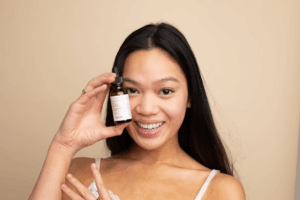
4-Butylresorcinol's primary application in the cosmetic industry is as a skin-lightening agent. Its effectiveness in reducing melanin synthesis makes it a popular choice in products targeting hyperpigmentation, age spots, and uneven skin tone. Manufacturers incorporate this ingredient into a variety of cosmetic products, including:
- Whitening Creams: 4-Butylresorcinol is often used in formulations designed to lighten skin tone and improve complexion, providing a radiant and even appearance.
- Anti-Aging Solutions: Due to its ability to reduce pigmentation, the compound is included in anti-aging creams and serums to minimize age spots and promote a youthful look.
- Sunscreens: When combined with UV filters, 4-Butylresorcinol helps prevent UV-induced pigmentation, enhancing the protective effects of sunscreen products.
- Spot Treatments: Targeted treatments for blemishes and dark spots frequently incorporate this ingredient to deliver focused lightning benefits.
Market Trends & Industry Insights
The demand for 4-Butylresorcinol in the cosmetic market has been on a steady rise, driven by increasing consumer awareness of skin-lightening solutions and the desire for flawless skin. According to a report by Credence Research, the global market for 4-Butylresorcinol is expected to witness significant growth over the coming years. Key factors influencing this market trend include advancements in cosmetic formulations, growing demand in emerging markets, and the proliferation of online retail channels. Suppliers like Zleygroup are capitalizing on these trends by ensuring a consistent supply of high-quality 4-Butylresorcinol to meet the demands of formulators and manufacturers. In terms of pricing, 4-Butylresorcinol remains competitive, with pricing strategies influenced by factors such as raw material costs, production capacities, and regulatory compliance requirements. The Verified Market Reports highlight that manufacturers are investing in research and development to enhance the efficacy and safety of 4-Butylresorcinol, further driving market growth.Quality Standards
Adherence to quality standards is paramount for procurement managers sourcing 4-Butylresorcinol. The ingredient must comply with various regulatory requirements, including those set forth by the U.S. Food and Drug Administration (FDA), the European Union (EU), and the International Organization for Standardization (ISO). FDA Compliance: The FDA regulates cosmetic ingredients under the Federal Food, Drug, and Cosmetic Act (FD&C Act). While the FDA does not pre-approve cosmetics, it mandates that products must be safe for use. This requires suppliers to maintain comprehensive documentation proving the safety and efficacy of 4-Butylresorcinol. EU Regulations: In the EU, cosmetic ingredients are subject to stringent regulations under the European Cosmetics Regulation (EC) No 1223/2009. This regulation requires a detailed safety assessment and mandates that ingredients are listed in the Cosmetic Ingredient Database (CosIng). Suppliers like Zleygroup must ensure compliance with these regulations to facilitate market entry. ISO Standards: ISO standards, such as ISO 22716 (Cosmetic Good Manufacturing Practices), provide guidelines for the production, control, storage, and shipment of cosmetic products. Suppliers adhering to ISO standards ensure consistent quality and safety of 4-Butylresorcinol throughout the supply chain.Supplier Selection
Choosing the right supplier for 4-Butylresorcinol is crucial for procurement managers aiming to maintain product quality and regulatory compliance. When evaluating potential suppliers, consider the following factors:- Quality Assurance: Ensure the supplier adheres to strict quality control measures and can provide documentation of compliance with FDA, EU, and ISO standards.
- Reputation and Experience: A supplier's reputation in the industry and experience in handling cosmetic ingredients are indicative of their reliability and expertise.
- Supply Chain Transparency: Opt for suppliers like Zleygroup who offer transparency in their sourcing and manufacturing processes, enabling traceability and accountability.
- Technical Support: Consider suppliers who provide technical support and assistance in formulation development, ensuring the optimal use of 4-Butylresorcinol in end products.
Comparison Table
| Supplier | Compliance Standards | Quality Assurance | Technical Support | Market Reputation |
|---|---|---|---|---|
| zleygroup | FDA, EU Cosmetics Regulation, ISO 9001 / ISO 22716 | High – rigorous QC, CoA provided | Comprehensive – formulation guidance & regulatory support | Excellent – trusted global supplier |
| Macsen Laboratories (India) | FDA, EU, ISO | Moderate – ISO-certified, CoA available | Limited – mainly specification sheets | Good – established international supplier |
| Tianjin YR Chemspec (China) | EU, ISO | High – consistent purity, MSDS available | Basic – standard product documentation only | Fair – competitive pricing, factory-direct |
Market Trends and Industry Insights for 4-Butylresorcinol in Cosmetics
The 4-Butylresorcinol cosmetic market is experiencing significant growth, driven by increasing demand for skin lightening and anti-aging products. As procurement managers and purchasing directors focus on strategic planning, understanding the market dynamics, pricing trends, and supply chain intricacies is crucial for making informed decisions.Market Growth and Forecasts
According to recent reports, the global 4-Butylresorcinol market in cosmetics is projected to grow at a compound annual growth rate (CAGR) of approximately 5.4% from 2023 to 2030. This growth is fueled by the rising consumer awareness regarding skin care and the increasing emphasis on personal grooming. The Asia-Pacific region is expected to witness the highest growth, driven by a burgeoning middle-class population and increased consumer spending on cosmetics.Pricing Trends
The pricing dynamics of 4-Butylresorcinol are influenced by raw material availability and production costs. Over the past year, prices have shown a moderate increase of about 3%, primarily due to supply chain disruptions and fluctuating raw material costs. However, procurement managers can leverage bulk purchasing agreements and long-term contracts to mitigate price volatility.Supply Chain Dynamics
The supply chain for 4-Butylresorcinol is relatively stable but not without challenges. The primary supply chain concerns include raw material procurement and transportation logistics. With the ongoing geopolitical tensions and trade regulations, the supply chain may face occasional disruptions. Establishing strong relationships with suppliers and diversifying the supply base can help procurement managers ensure a steady supply.Industry Challenges and Opportunities
One of the primary challenges in the 4-Butylresorcinol market is the stringent regulatory environment. Compliance with safety standards and regulations such as the European Union's REACH regulation and the U.S. FDA guidelines is essential. Non-compliance can lead to significant penalties and market access restrictions. On the opportunity side, the growing trend towards natural and organic ingredients in cosmetics presents a potential avenue for innovation. Companies that can incorporate 4-Butylresorcinol into formulations that align with these consumer preferences may gain a competitive edge.Regulatory Changes and Their Impact
Recent regulatory changes have emphasized the need for transparency in ingredient sourcing and usage. The impact of these regulations is twofold: they ensure consumer safety and influence market entry strategies. Procurement managers must stay abreast of these changes to navigate compliance effectively. Collaborating with regulatory experts and engaging in continuous training can aid in this endeavor.Actionable Insights for Procurement Decisions
- Consider long-term contracts with suppliers to lock in prices and ensure a stable supply of 4-Butylresorcinol.
- Explore opportunities to diversify the supplier base to mitigate risks associated with supply chain disruptions.
- Invest in compliance and regulatory training to navigate the complex landscape of cosmetic regulations effectively.
- Monitor market trends for shifts towards natural and organic products and adjust procurement strategies accordingly.
- Engage in strategic partnerships with innovative suppliers who can offer competitive advantages through unique formulations.
| Supplier | Grade | Market Pricing (USD/kg) | Min Order Quantity | Purity Level | Solubility & Specs | Quality Certifications | Lead Times | Supply Reliability | Market Share / Positioning |
|---|---|---|---|---|---|---|---|---|---|
| UNILAB Chemicals Pharmaceuticals (India) | Cosmetic / Pharma | — | — | — | — | — | — | Dominates: ~70% global export share (Volza) | |
| Tianjin YR Chemspec (China) | Cosmetic Grade | $10–25/kg | 1 kg | ≥99% | Slightly soluble in water; soluble in ethanol (yrchemspec.en.made-in-china.com) | ISO, MSDS | — | Reliable factory supply | China-based, cost-effective factory option |
| Generic Chinese Suppliers (Alibaba sources) | Cosmetic Grade | $10–30/kg | 1 kg | ~99% | Typical ethanol solubility | — | — | Variable | Competitive low-cost suppliers (Alibaba) |
| Global Market Overview | — | — | — | — | — | — | — | — | Global cosmetic-grade chlorphenesin market valued at USD 20 M (2023), projected to USD 35 M by 2033, CAGR ~5.5% (DataHorizzon Research) |
Evaluating 4-Butylresorcinol in Cosmetic Applications
4-Butylresorcinol is a key ingredient in many cosmetic formulations, known for its skin-brightening properties. For procurement managers, understanding the regulatory landscape is crucial. According to the FDA regulations, particularly under sections 21 CFR 700.13, ingredients used in cosmetics must be safe for consumer use, which applies to 4-Butylresorcinol as well. In the European Union, compliance with EC No 1223/2009 is mandatory for cosmetic products, ensuring that 4-Butylresorcinol is used within the safe concentration limits specified. This regulation emphasizes the importance of safety assessments and labeling, which are critical for market approval. Adhering to international standards, such as ISO 22716, which provides guidelines for the production, control, storage, and shipment of cosmetic products, ensures that suppliers maintain high-quality standards. Additionally, the ISO 16128 standard offers guidelines on the definitions and criteria for natural and organic cosmetic ingredients, which can be relevant for 4-Butylresorcinol formulations. The INCI database provides detailed information on the nomenclature and approved usage of cosmetic ingredients, including 4-Butylresorcinol. This resource is invaluable for ensuring that the ingredient is correctly labeled and marketed. Scientific studies have also highlighted the efficacy and safety of 4-Butylresorcinol. A notable study published in 2020 demonstrated its potential in reducing hyperpigmentation with minimal side effects, reinforcing its value in cosmetic applications. Industry guidelines and market reports, such as those from Mintel or Euromonitor, often discuss trends and consumer preferences, which can be crucial for procurement strategies. Understanding these trends can help managers make informed decisions about sourcing 4-Butylresorcinol from reputable suppliers.Best Practices
To ensure the successful procurement of 4-Butylresorcinol, adhere to the following best practices:- Conduct Thorough Supplier Audits: Regularly audit suppliers to verify compliance with quality standards and regulatory requirements.
- Maintain Open Communication: Foster transparent communication with suppliers to address any concerns promptly and ensure alignment on quality objectives.
- Stay Updated on Regulations: Keep abreast of changes in regulatory requirements to ensure ongoing compliance and avoid potential disruptions.
- Implement Robust Quality Control: Establish stringent quality control measures to verify the purity and efficacy of 4-Butylresorcinol in your formulations.
Common Mistakes
Avoid these common mistakes when procuring 4-Butylresorcinol:- Overlooking Regulatory Changes: Failing to stay informed about regulatory updates can result in non-compliance and potential market withdrawal.
- Ignoring Supplier Certifications: Selecting suppliers without proper certifications may compromise product quality and safety.
- Neglecting Technical Support: Not leveraging supplier technical support can lead to formulation challenges and suboptimal product performance.
- Compromising on Price: Opting for the cheapest supplier without evaluating quality can result in inferior products and reputational damage.
FAQ Section
Q1: What is the primary use of 4-Butylresorcinol in cosmetics? A1: 4-Butylresorcinol is primarily used as a skin-lightening agent in cosmetic products to reduce hyperpigmentation and promote an even skin tone. Q2: How does 4-Butylresorcinol work? A2: It works by inhibiting the enzyme tyrosinase, which is involved in melanin production, thereby reducing pigmentation. Q3: What regulatory standards should 4-Butylresorcinol comply with? A3: It should comply with FDA regulations, EU Cosmetics Regulation (EC) No 1223/2009, and ISO standards such as ISO 22716. Q4: What are the key considerations when selecting a supplier for 4-Butylresorcinol? A4: Consider the supplier's compliance with quality standards, reputation, supply chain transparency, and technical support capabilities. Q5: Why is Zleygroup a preferred supplier for 4-Butylresorcinol? A5: Zleygroup is preferred due to their adherence to FDA, EU, and ISO standards, comprehensive quality assurance, and excellent market reputation.Conclusion
As the demand for skin-lightening solutions continues to grow, 4-Butylresorcinol remains a pivotal ingredient in cosmetic formulations. For procurement managers, understanding the quality standards, regulatory compliance, and market dynamics is crucial to making informed sourcing decisions. By partnering with reputable suppliers like Zleygroup, procurement managers can ensure the consistent quality and safety of 4-Butylresorcinol, ultimately delivering effective and compliant cosmetic products to consumers. With this comprehensive guide, procurement managers are equipped to navigate the complex regulatory landscape, optimize supplier selection, and implement best practices in the procurement process. Embracing these insights will not only enhance product efficacy but also reinforce consumer trust and brand credibility in the competitive cosmetic market.About the Author
zleygroup Technical Team
The Zleygroup team has been deeply involved in cosmetic raw material sourcing for over 15 years, committed to providing high-quality, cost-effective ingredients to leading global manufacturers. Leveraging extensive experience in supplier certification, quality assurance, regulatory compliance, and global supply chain management, we can rapidly respond to market demands. Among our many raw materials, 4-butylresorcinol is a highly recommended whitening active ingredient. Its exceptional efficacy and consistent quality have made it a core ingredient in numerous skincare formulations.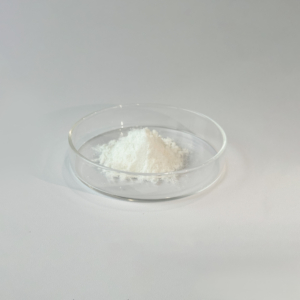
Expertise
-
Ingredient sourcing & supplier evaluation
-
Quality control & testing protocols
-
Regulatory compliance & safety assessment
-
Bulk purchasing & cost optimization
-
Supply chain reliability & lead time management
-
Strategic procurement & cost analysis
Why zleygroup
✔ Competitive pricing & volume discounts
✔ Reliable supply chain with consistent quality
✔ Full regulatory compliance support
✔ Technical guidance & formulation expertise
✔ Flexible minimum order quantities
✔ Fast delivery & responsive service


评论
发表评论